Tawakkol Karman Keynote
Hear from Nobel Peace Prize Laureate Tawakkol Karman
Speakers
-
 Tawakkol KarmanYemeni Journalist, Human Rights Activist and Nobel Peace Prize Laureate
Tawakkol Karman
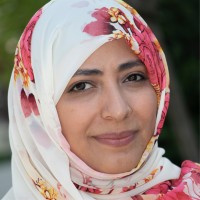
Yemeni Journalist, Human Rights Activist and Nobel Peace Prize Laureate
Tawakkol Karman, a Yemeni journalist and human rights activist, is the first Arab woman to win the Nobel Peace Prize.
Known as the “Mother of the Revolution,” “The Iron Woman,” and “The Lady of the Arab Spring,” Karman led protests against Yemen’s regime, advocating democracy and freedom of speech. She founded Women Journalists Without Chains and the Peaceful Revolutionary Youth Council, facing imprisonment and persecution for her activism. She played a pivotal role in pressuring former Yemeni President Ali Abdullah Saleh, who ruled from 1978 to 2012, to relinquish power.
Karman emerged as a leadership figure during the Arab Spring in 2011, advocating against tyranny in the Arab world, reconciliation between Shia and Sunni Muslims, countering terrorism, and dialogue between Islam and other religions.
Karman's influence is recognized globally. TIME Magazine listed her among the 17 Most Rebellious Women in History and featured her on the cover of its 100 Strong Women in the World issue as a 'Torchbearer of the Arab Spring.' Foreign Policy also named her one of the FP Top 100 Global Thinkers, while CNN, BBC, and Reporters Without Borders have recognized her among influential women.
Karman continues advocating for democracy, development, and freedom of expression worldwide. She was appointed by the former UN Secretary-General to the High-Level Panel of Eminent Persons on the Post-2015 Development Agenda.
She serves on the boards of the Nobel Women’s Initiative, Democracy for the Arab World Now (DAWN), and the Facebook and Instagram International Oversight Board. Her Tawakkol Karman Foundation supports development through schools, poverty reduction, and health institutions in Yemen.